
Property Tax 101: Key Facts Every Investor Should Know
02 May 2025
9 minutes
Loading...
Start Today
Join thousands of Australian property investors who save hours every month and never miss a tax deduction.
Have questions? We're here to help you get started.
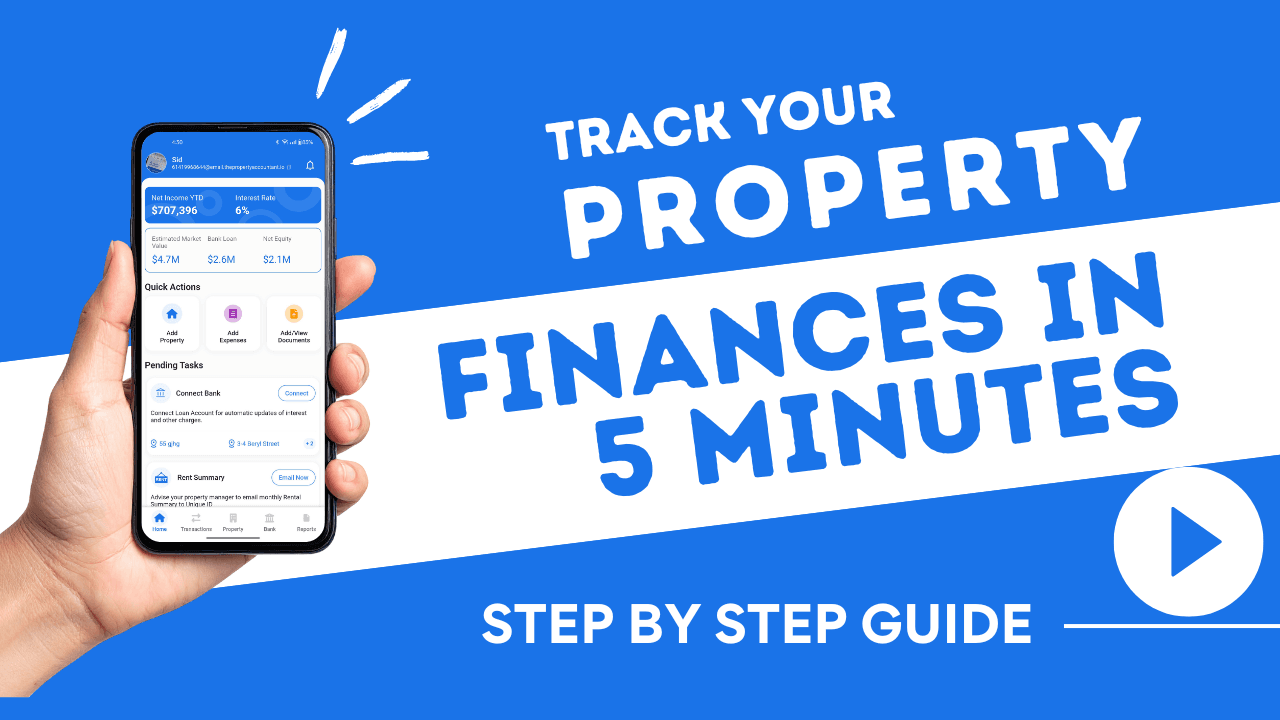
Watch the step-by-step guide and launch your automated workflow.
Property tax is one of the most important financial considerations for any investor in Australia. Whether you own one investment property or several, understanding how property tax works is essential for managing your cash flow and maximising your returns.
In this guide, we'll explore the key types of property taxes like Stamp Duty & Rental Income Tax, how they affect your investment strategy, and what steps you can take to stay compliant while minimising your tax obligations.
Property tax refers to the range of taxes applied to real estate ownership and investment. It includes multiple obligations such as land tax, stamp duty, capital gains tax (CGT), and taxes on rental income.
Each type of property tax is governed by state or federal laws, and your liabilities can vary depending on where your property is located and how it is owned. To ensure full compliance and accurate reporting, many investors choose to work with a property accountant who specialises in real estate taxation.
Additionally, many investors now use property accounting software along with a property accountant who specialises in real estate taxation to keep their records clear and filings accurate.
Stamp duty is a state-based tax paid when you purchase a property. The amount depends on the property's value, location, and whether you're a first-time buyer or investor.
While it's a one-time cost, stamp duty can significantly impact your upfront investment expenses. Investors should factor this into their overall financial planning before committing to a purchase.
Any rental income you earn from your investment property must be declared in your annual tax return. This income is added to your total taxable income and taxed at your marginal rate.
However, property investors can offset this income by claiming deductions for expenses such as maintenance, insurance, loan interest, property management fees, and depreciation. Proper record-keeping ensures you claim all allowable deductions and stay compliant with ATO requirements.
Depreciation allows investors to claim deductions for the decline in value of a building and its fixtures over time. Common depreciable assets include appliances, carpets, and air conditioning units.
To maximise your claims, it's important to obtain a depreciation schedule prepared by a qualified quantity surveyor. This schedule outlines each item's lifespan and annual deductible value, helping you save more on your tax bill each year.
Negative gearing occurs when your property's rental income is less than its expenses, resulting in a net loss. This loss can often be offset against your other taxable income, reducing your overall tax payable.
While this can provide short-term tax benefits, it's important to assess whether negative gearing aligns with your long-term financial goals. For a detailed look at this strategy, explore our article on Negative Gearing.
Land tax is an annual tax imposed by state and territory governments on the value of land you own, excluding your principal place of residence. Each state sets its own thresholds and rates, and these can change annually.
If you hold multiple investment properties, it's important to calculate how land tax may impact your overall returns. A property accountant can help structure ownership in a way that minimises this liability.
Capital gains tax applies when you sell an investment property for a profit. The gain is calculated as the difference between your purchase price (plus associated costs) and your selling price.
If you've held the property for more than 12 months, you may be eligible for a 50% CGT discount. Planning ahead with a professional can help you determine the best time to sell and how to report gains accurately.
The structure under which you hold your property can significantly affect your tax outcome. Common structures include individual ownership, joint ownership, company, trust, and self-managed super fund (SMSF).
Each structure offers different benefits in terms of tax efficiency, liability protection, and income distribution. Seeking advice from a tax accountant ensures your structure aligns with your goals and compliance requirements.
Accurate record-keeping is vital for every property investor. The ATO requires evidence for all claimed deductions, including receipts, invoices, and loan statements.
Using accounting tools like The Property Accountant simplifies this process by automatically recording and categorising income and expenses. This reduces the risk of errors and ensures you remain audit-ready throughout the year.
Managing property tax efficiently often requires expert oversight and the right technology. The right accounting software can be used to integrate directly with banks and property managers, automating much of the accounting process.
When combined with professional advice, these tools help investors stay compliant, improve accuracy, and optimise deductions.
Understanding property tax is essential for every Australian investor. By staying informed and organised, you can reduce your liabilities, increase your returns, and maintain compliance with confidence.
If you want to simplify your property tax management, The Property Accountant provides the tools and expertise to make your accounting effortless.