Budget 2026-27 CGT: No Discount for Existing Homes Bought After 12 May 2026 - Here's What Changes
23 Jul 2026
7 minutes
Loading...
Start Today
Join thousands of Australian property investors who save hours every month and never miss a tax deduction.
Have questions? We're here to help you get started.
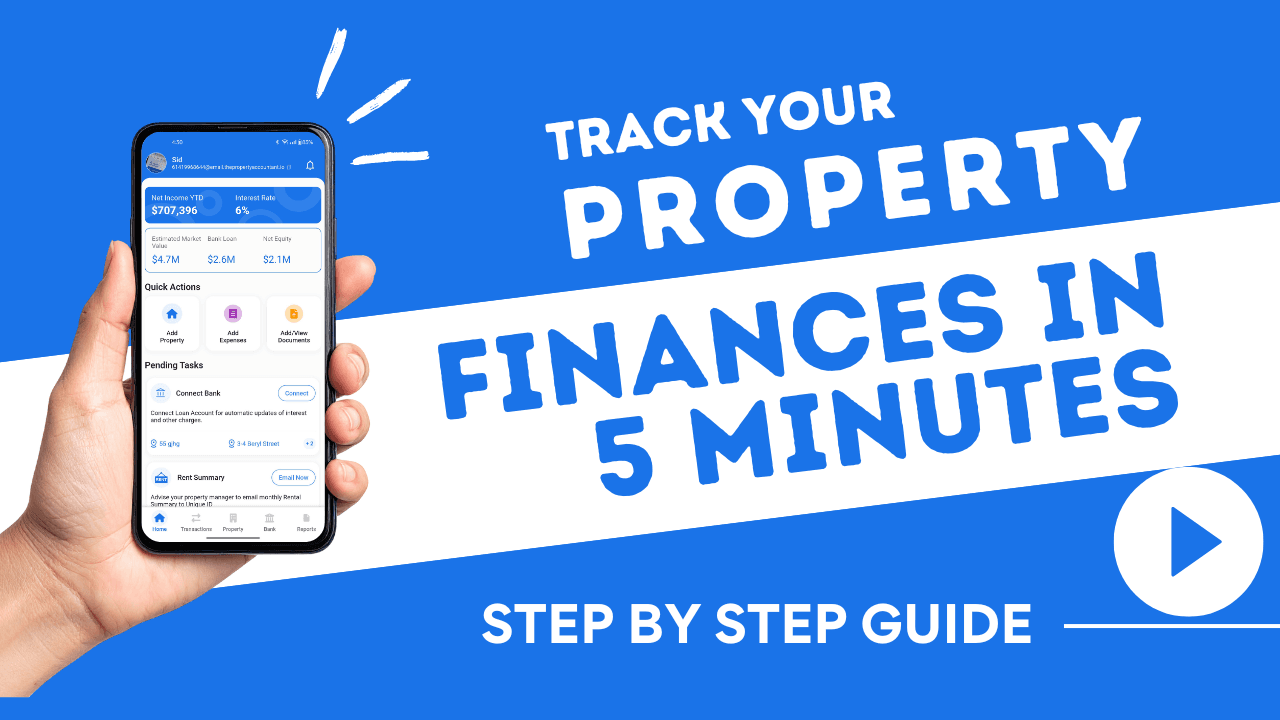
Watch the step-by-step guide and launch your automated workflow.
Capital gains tax on an investment property now depends on two things: whether you bought it before or after the Budget date - 12 May 2026 - and whether it's a new build or an existing home.
Every investment property fits into exactly one of three buckets. Each bucket gives you a choice between Option 1 and Option 2.
| Bucket | When you bought it | Option 1 | Option 2 |
|---|---|---|---|
| A - Bought before the Budget | On or before 12 May 2026 | With a certified valuation: 50% discount on gains up to 30 June 2027. Gains after that date use indexation instead. | Without a certified valuation: the ATO splits the gain by time instead, using its own default method. |
| B - New build, bought after the Budget | After 12 May 2026, brand-new home, never lived in before | 50% discount on the whole gain. | Indexation of your costs instead. |
| C - Existing home, bought after the Budget | After 12 May 2026, second-hand home | Indexation of your costs - the only method available. | Not applicable - there's no second option for this bucket. |
This guide focuses on Bucket C - existing or second-hand homes bought after the Budget.
Buy an existing or second-hand home after 12 May 2026, and indexation of your costs is the only method available - there's no discount to choose instead. You apply indexation to each cost separately, because each one was spent at a different time and grows by a different amount.
| Cost | Amount | When spent |
|---|---|---|
| Purchase price + stamp duty | $525,000 | July 2026 |
| Paint and flooring | $40,000 | 2029 |
| Kitchen upgrade | $25,000 | 2031 |
| New deck | $12,000 | 2033 |
| Agent & legal fees on sale | $15,000 | 2036 (at sale) |
| Sold for | $900,000 | 2036 |
| Tax rate used | 47% (top marginal rate) | - |
| CPI assumed | 3% p.a. | - |
| Cost | Years indexed | Value at sale |
|---|---|---|
| Purchase price + stamp duty | 10 years | $705,600 |
| Paint and flooring | 7 years | $49,200 |
| Kitchen upgrade | 5 years | $29,000 |
| New deck | 3 years | $13,100 |
| Agent & legal fees on sale | 0 years | $15,000 |
| Total indexed cost base | $811,900 |
Sale price: $900,000. Gain = $900,000 − $811,900 = $88,100. Tax at 47% = $41,400.
Each cost runs on its own clock, because it was spent at a different time. Blend these into one average figure instead of indexing each one separately, and you get the wrong cost base - usually a lower one, which means more tax than you actually owe.
| DO | DON'T |
|---|---|
| ✓ Record the exact date for every single cost - not just the purchase and sale dates. Indexation is applied quarterly, so the specific quarter matters, not just the year. | ✗ Use one blended indexation number for the whole cost base - it will be wrong for any property held more than a couple of years. |
| ✓ Apply CPI to each cost separately, using the right period for that cost. | ✗ Assume the 50% discount applies as a fallback - it doesn't, ever, in this bucket. |
| ✓ Confirm early that the home is second-hand - this bucket has no discount to fall back on. | ✗ Forget to index improvement costs separately from the original purchase price. |
| ✓ Redo the indexed cost base whenever a new cost is added - it changes the total, not just adds to it. | ✗ Treat sale-time costs as indexable - they're spent at the very end, so they generally aren't. |
| ✓ Keep a record of every capital cost. Without it, you lose the cost itself from your base, plus the inflation uplift it would have earned - both gone at once. | ✗ Assume a rough estimate of a capital cost is good enough - indexation needs the actual invoice amount and date, not a guess. |
Getting this right is genuinely risky on the old spreadsheet model - it's simply not built for this.
Get it wrong, and the result is the same as everywhere else: a lower cost base, and more tax than you actually owe.
The Property Accountant is an all-in-one property accounting and finance platform for investors, tax accountants, and mortgage brokers - tracking rental income, expenses, costs, loans, market value, net equity, and interest rates live, powered by AI.
It automatically updates itself from your settlement statement, depreciation schedule, and monthly rent statement, with bank interest, fees, and charges flowing in through a live bank feed. All you need to add is the expenses and costs you pay directly yourself.
Here's how simple that part is: whenever you incur a cost - the purchase, a renovation, a new deck, anything - just take a photo or upload the invoice through the mobile app or web portal. Our AI reads the invoice, you check the details, and you save it. That's it.
Everything else happens automatically, in real time: every cost gets its own indexation figure, and the total cost base recalculates itself the moment a new cost is added - no manual re-working, ever.
See it in action
Watch how the platform handles document uploads, expense tracking, and automated tax records - end to end.
Ready to see it in action?
Get ahead of the detail. Book a 30-minute demo, and see how The Property Accountant handles CGT.
Book a DemoNo. Indexation of your costs is the only method available in this bucket, there's no discount to fall back on. This applies regardless of how long you end up holding the property.
Each cost needs to be indexed separately, using the specific date it was spent. Blending everything into one average figure gives you the wrong cost base, usually a lower one, which means paying more tax than you actually owe.
No. Costs spent at the very end, like agent and legal fees on sale, generally aren't indexed since there's no time between when they're spent and when the sale happens. In the worked example, these fees were indexed for zero years and added to the cost base at their full amount.
The entire indexed cost base needs to be recalculated from scratch, not just added to. Each new cost runs on its own clock from the date it was spent, so adding a cost changes the total rather than simply extending it.
You lose the cost itself from your cost base, plus the inflation uplift it would have earned through indexation, both at once. Since this bucket has no 50% discount to soften the impact, every dollar of error in your cost base becomes a dollar of extra tax.