Budget 2026-27 Negative Gearing: New Builds Keep Full Deductibility - Here's the Fine Print
25 Jul 2026
7 minutes
Loading...
Start Today
Join thousands of Australian property investors who save hours every month and never miss a tax deduction.
Have questions? We're here to help you get started.
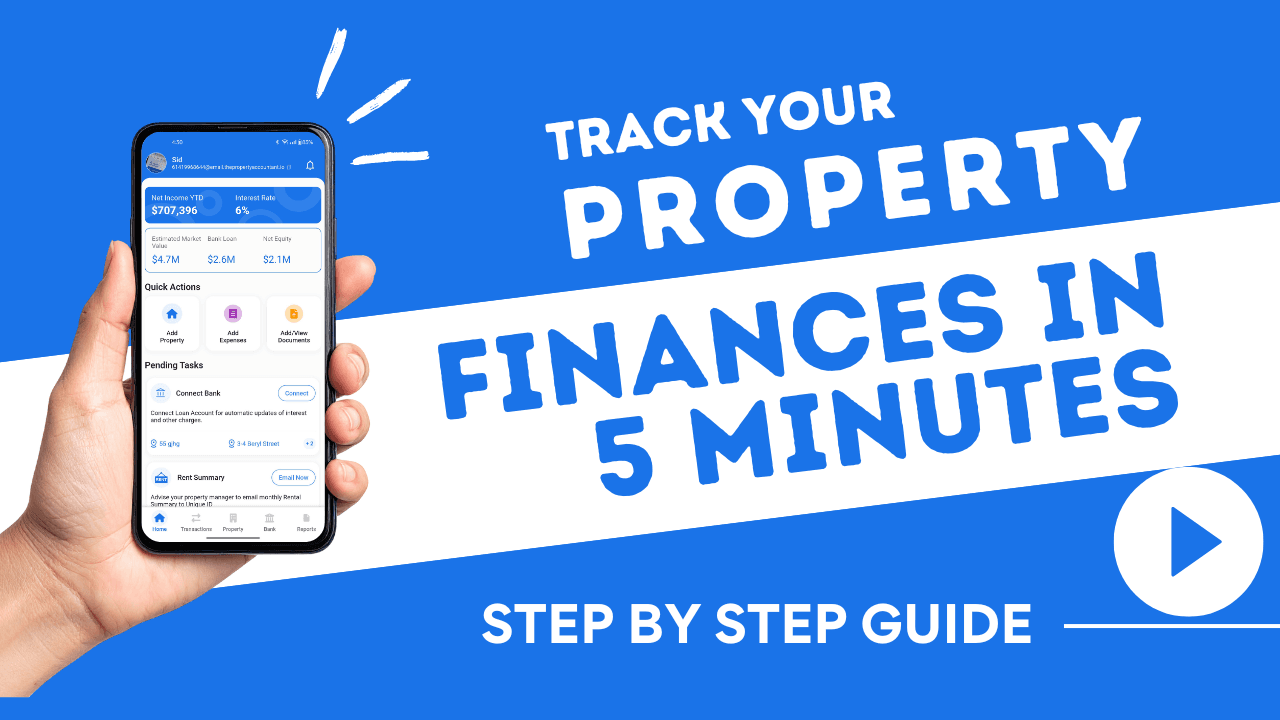
Watch the step-by-step guide and launch your automated workflow.
Negative gearing now depends on two things: when you bought the property, and whether it's a new build or an existing home.
| Bucket | When you bought it | Negative gearing treatment |
|---|---|---|
| A - Grandfathered | Owned, or under contract, before 7:30pm AEST on 12 May 2026 | Nothing changes. Rental losses can still reduce your salary income, exactly as they always have. |
| B - New build | Bought after 12 May 2026, new construction that adds to housing supply | Nothing changes here either. New builds keep full negative gearing - losses can still reduce your salary income. |
| C - Established, bought after the Budget | Bought after 12 May 2026, existing / second-hand home | From 1 July 2027, losses can no longer reduce your salary income. They're quarantined - carried forward for use against future rental profit, or against the capital gain when you sell. |
This guide focuses on Bucket B - new builds bought after the Budget.
One term to clarify upfront: "second-hand" just means the property has already been bought and sold at least once before - it doesn't need to be old, or lived in for years. A one-year-old apartment bought from its first owner still counts as second-hand for this purpose.
This guide assumes the property is owned in your personal name, as an individual. If you own through a trust, a company, a self-managed super fund, or another structure, these rules can work differently - check with your accountant about how your specific ownership structure is affected.
Buy a new build after 12 May 2026, and full negative gearing still applies - losses can reduce your salary income exactly as before. This is to keep the incentive to build new homes, not just buy existing ones.
Buy a new build second-hand from someone else - even if it's only a year or two old - and this benefit doesn't carry over. You land in Bucket C instead.
| Qualifies as a new build | Doesn't qualify |
|---|---|
| A newly built apartment bought off-the-plan | An existing house or apartment bought second-hand |
| A duplex replacing one house with two (adds to supply) | A knock-down rebuild replacing one house with one house |
| Any new home built on vacant land | A granny flat added next to an existing property |
| A newly built property occupied for less than 12 months before first sale | A new build lived in for more than 12 months before you buy it |
| DO | DON'T |
|---|---|
| ✓ Check you're genuinely the first owner - look at the occupation certificate and first-sale date. If it's a knock-down rebuild, also confirm it adds to supply (one home becoming two or more) - a rebuild alone doesn't qualify. | ✗ Assume any modern-looking property qualifies - age alone doesn't decide it. |
| ✓ Keep proof of when the build was finished and first lived in - the 12-month window matters. Ask for this in writing as part of the contract of sale | ✗ Assume a knock-down rebuild automatically qualifies - it only counts if it adds to supply, like one home becoming two. |
| ✓ Track every expense from settlement day - every deduction counts from day one, same as any property. | ✗ Buy a new build second-hand and assume the benefit carries over - it doesn't. |
Getting this right is genuinely risky on the old spreadsheet model, with supporting documents scattered across drives and emails - it's simply not built for this.
Get it wrong, and the result is the same either way: losses you assumed were fully deductible get quarantined instead, sometimes years after you started claiming them.
The Property Accountant is an all-in-one property accounting and finance platform for investors, tax accountants, and mortgage brokers - tracking rental income, expenses, costs, loans, market value, net equity, and interest rates live, powered by AI.
It automatically updates itself from your settlement statement, depreciation schedule, and monthly rent statement, with bank interest, fees, and charges flowing in through a live bank feed. All you need to add is the expenses and costs you pay directly yourself.
Here's how simple that part is: upload your settlement documents and occupation certificate through the mobile app or web portal. Our AI reads them, you check the details, and you save it - that saved document is now your supporting proof, ready if the claim is ever checked.
Everything else happens automatically, in real time: the platform confirms which bucket the property sits in, tracks the 12-month window, and keeps every expense organised from settlement day - no separate spreadsheet needed.
See it in action
Watch how the platform handles document uploads, expense tracking, and automated tax records - end to end.
Ready to see it in action?
Get ahead of the detail. Book a 30-minute demo, and see how The Property Accountant handles negative gearing.
Book a DemoYes. Losses on a new build can still reduce your salary income, exactly as before. This is designed to keep the incentive to build new homes, rather than just buy existing ones.
No. Only the first buyer qualifies for this treatment. If you buy a new build second-hand, even if it's only a year or two old, the benefit doesn't carry over and the property lands in Bucket C instead.
It includes an off-the-plan apartment, a duplex that adds to supply, or a home built on vacant land, occupied for less than 12 months before its first sale. A knock-down rebuild replacing one house with one house, a granny flat, or a new build lived in for more than 12 months before you buy it doesn't qualify.
Not automatically. It only counts if it adds to housing supply, such as one home becoming two or more. A straightforward knock-down rebuild that replaces one house with a single new house doesn't meet the test.
You need the actual completion and first-occupation dates on file, not an estimate of how old the property feels. This proof matters because getting the classification wrong at purchase means the same mistake repeats on every tax return until it's caught, often during an audit or at sale.