Budget 2026-27 Negative Gearing: What Happens If You Owned Before 12 May 2026?
24 Jul 2026
8 minutes
Loading...
Start Today
Join thousands of Australian property investors who save hours every month and never miss a tax deduction.
Have questions? We're here to help you get started.
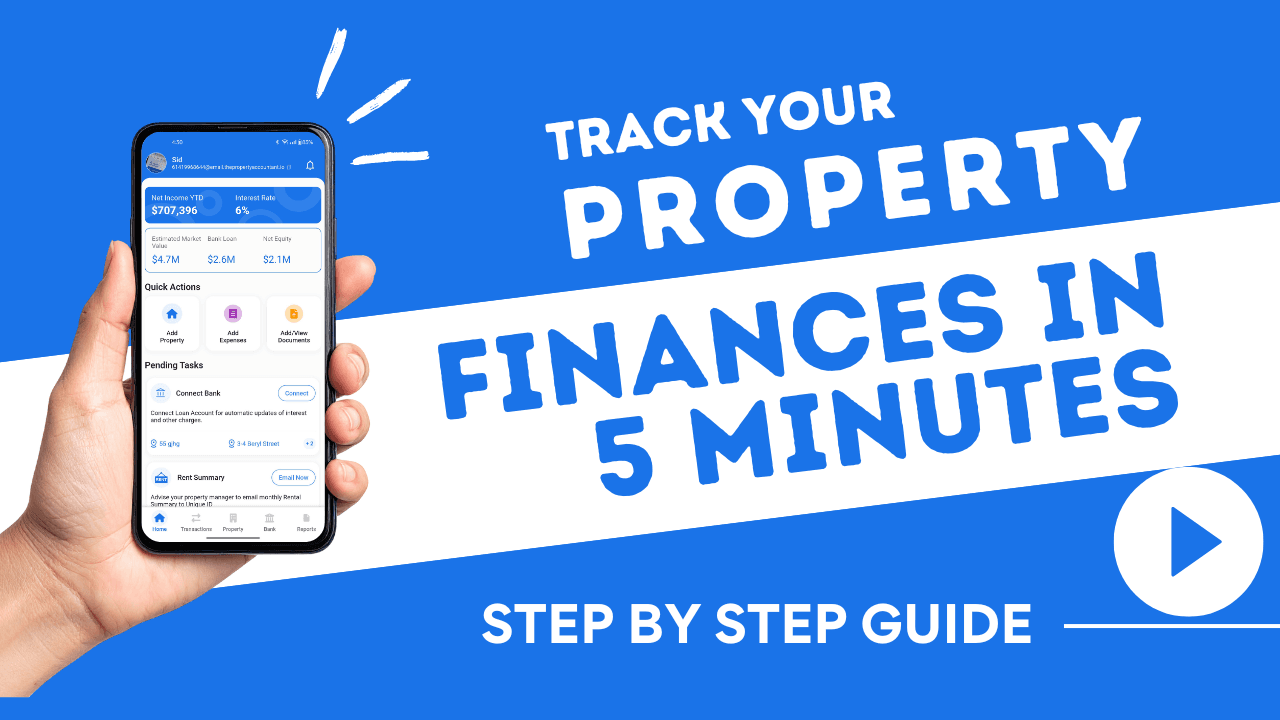
Watch the step-by-step guide and launch your automated workflow.
Negative gearing now depends on two things: when you bought the property, and whether it's a new build or an existing home.
| Bucket | When you bought it | Negative gearing treatment |
|---|---|---|
| A - Grandfathered | Owned, or under contract, before 7:30pm AEST on 12 May 2026 | Nothing changes. Rental losses can still reduce your salary income, exactly as they always have. |
| B - New build | Bought after 12 May 2026, new construction that adds to housing supply | Nothing changes here either. New builds keep full negative gearing - losses can still reduce your salary income. |
| C - Established, bought after the Budget | Bought after 12 May 2026, existing / second-hand home | From 1 July 2027, losses can no longer reduce your salary income. They're quarantined - carried forward for use against future rental profit, or against the capital gain when you sell. |
This guide focuses on Bucket A - properties owned before the Budget.
This guide assumes the property is owned in your personal name, as an individual. If you own through a trust, a company, a self-managed super fund, or another structure, these rules can work differently - check with your accountant about how your specific ownership structure is affected.
Own a property - or had a signed contract - before 7:30pm AEST on 12 May 2026, and nothing changes. Rental losses can still reduce your salary income, the same as always.
That protection covers the property itself - not everything you might borrow against it later. Any new borrowing is judged on its own terms.
Refinance to buy a second property, and what you can claim depends on what that second property is:
This example uses an existing home, since that's the trickier case.
| Item | Value |
|---|---|
| Bought | 2020 |
| Loan | $600,000 at 6% |
| Interest | $36,000/year |
| Item | Value |
|---|---|
| Extra borrowed in 2027 | $400,000 at 6% |
| Used to buy | Second-hand home, newly purchased by you in 2027 (Bucket C) |
| Extra interest | $24,000/year |
Split the loan correctly, and here's what happens to each part:
Claim the full $60,000 against your salary without splitting it, and you've overclaimed $24,000 - worth $11,280 in tax you shouldn't have saved. Refinancing is one of the first things an ATO audit checks, and you'll need to repay that $11,280, often with interest and penalties on top.
Not every refinance funds something new. Borrow more against Property 1 to renovate Property 1 itself, and this is the simple case - worth showing precisely because of how different it is from Example 1.
| Item | Value |
|---|---|
| Bought | 2020 |
| Original loan | $600,000 at 6% |
| Original interest | $36,000/year |
| Item | Value |
|---|---|
| Extra borrowed in 2028 | $50,000 at 6% |
| Used for | Renovating Property 1 itself |
| New interest on the redraw | $3,000/year |
Every dollar of this loan - old and new - is tied to the same grandfathered property, so the full $39,000 stays deductible against your salary. Nothing needs quarantining, because the money never left the property.
The difference between the two examples is the whole lesson: what matters isn't that the loan is new, it's what the money actually funded.
| DO | DON'T |
|---|---|
| ✓ Check the exact date and time of your signed contract against 7:30pm AEST, 12 May 2026 - this one detail decides the bucket. | ✗ Assume "around the same time" is close enough - the cutoff is a specific time on a specific night. |
| ✓ Keep the signed contract, not just the settlement date - the bucket is decided by when you signed. | ✗ Think the property's records don't matter anymore just because nothing's changing - you'll still need the contract and date if ever asked. |
| ✓ Keep claiming losses against salary as normal - nothing new to do here. | ✗ Confuse a grandfathered property with a new build - they end up in the same place, but for different reasons. |
| ✓ Split any refinanced interest by what the money was actually used for - even if all of it stays within the same property. | ✗ Assume every refinance needs quarantining - if the money stays with the same grandfathered property, it doesn't. |
Getting this right is genuinely risky on the old spreadsheet model - it's simply not built for this.
Get it wrong, and the result is the same either way: an overclaim that has to be repaid, often with interest and penalties on top.
The Property Accountant is an all-in-one property accounting and finance platform for investors, tax accountants, and mortgage brokers - tracking rental income, expenses, costs, loans, market value, net equity, and interest rates live, powered by AI.
It automatically updates itself from your settlement statement, depreciation schedule, and monthly rent statement, with bank interest, fees, and charges flowing in through a live bank feed. All you need to add is the expenses and costs you pay directly yourself.
Whenever you refinance or draw on a loan, simply set the split percentage for each property - and update it whenever a new drawdown changes the mix. The platform tracks the allocation by time period, so every dollar of interest, fees, and charges is automatically allocated to the right property for the period it applies to, based on where the funds were actually used.
See it in action
Watch how the platform handles document uploads, expense tracking, and automated tax records - end to end.
Ready to see it in action?
Get ahead of the detail. Book a 30-minute demo, and see how The Property Accountant handles negative gearing.
Book a DemoNo. If you owned the property, or had a signed contract, before 7:30pm AEST on 12 May 2026, rental losses can still reduce your salary income exactly as they always have. Nothing changes for the property itself.
No. Grandfathering protects the property itself, not everything you might borrow against it. Any new borrowing is judged on its own terms, based on what the money is actually used for.
It depends on what the second property is. If it's a new build, the new interest stays fully deductible, but if it's an existing or second-hand home, the new interest must be quarantined instead, even though it's a brand-new purchase for you.
In that case, the full loan stays deductible against your salary, including the new borrowing. Since every dollar is tied to the same grandfathered property and the money never left it, nothing needs quarantining.
You risk an overclaim, since only the portion tied to a deductible use should be claimed against your salary. Refinancing is one of the first things an ATO audit checks, and any overclaimed amount typically has to be repaid, often with interest and penalties on top.