Positive Gearing vs Negative Gearing: Which Strategy Wins?
30 Oct 2025
12 minutes
Loading...
Start Today
Join thousands of Australian property investors who save hours every month and never miss a tax deduction.
Have questions? We're here to help you get started.
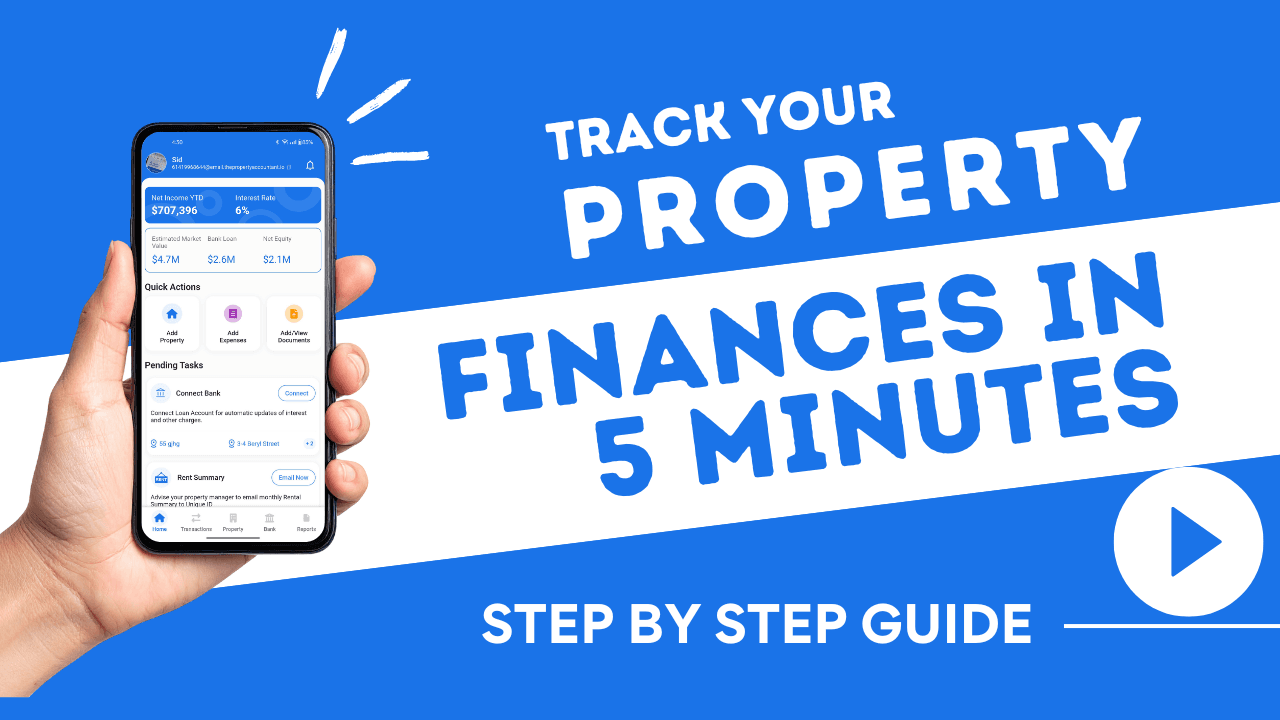
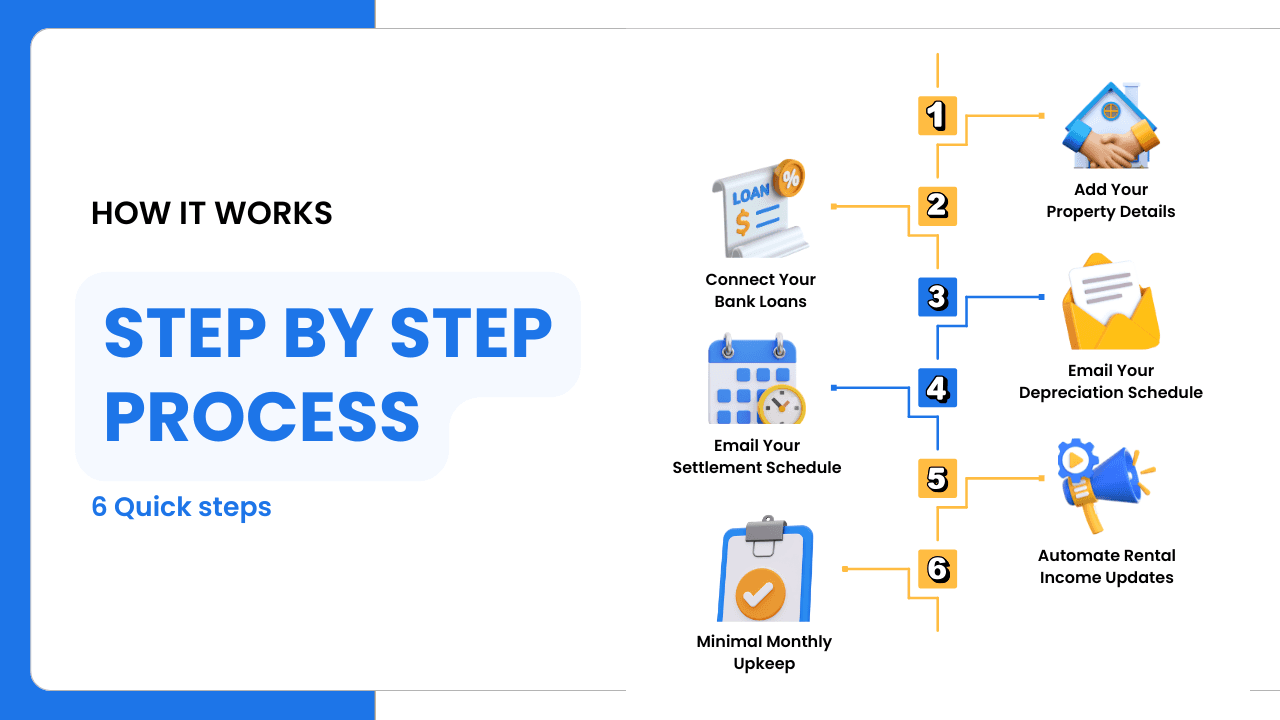
Watch the step-by-step guide and launch your automated workflow.
Five years ago, I sat in my accountant's office, completely lost. He kept throwing around terms like "negative gearing" and "positive cash flow" while I pretended to understand.
I just nodded along, not wanting to look stupid.
It turns out half of Australia's property investors don't really understand the difference either. They just follow what everyone else does.
That ignorance cost me $22,000 in unnecessary interest payments over three years.
Once I finally understood positive versus negative gearing, everything changed. My investment strategy improved. My cash flow stabilized. My stress levels dropped.
Let me break down what I wish someone had explained to me from day one.
Negative gearing is simple. Your property costs more to hold than it generates in rent.
Mortgage interest, rates, insurance, and other expenses exceed your rental income. You lose money each month.
But here's the catch. That loss reduces your taxable income. You pay less tax.
My first investment property lost $650 monthly. Annual loss of $7,800. At my 37% tax bracket, that saved me $2,886 in tax.
So my actual out-of-pocket cost was $4,914 annually instead of $7,800.
Still a loss, just a smaller one.
| Item | Amount |
|---|---|
| Rental Income | $X |
| Expense | $7,800 |
| Monthly Loss | $650 |
| Annual Loss | $7,800 |
| Tax Saved (37%) | $2,886 |
| Actual Out-of-Pocket | $4,914 |
Positive gearing means your property makes money. Rental income exceeds all expenses.
You receive actual cash flow every month. Money in your bank account, not just on paper.
My regional property generates $420 monthly positive cash flow. That's $5,040 annually hitting my account.
But I pay tax on that profit. At 37%, that's $1,865 in tax, leaving me with $3,175 net income.
| Item | Amount |
|---|---|
| Monthly Cash Flow | $420 |
| Annual Cash Flow | $5,040 |
| Tax Saved (37%) | $1,865 |
| Net Income | $3,175 |
Most Australian investors chase negative gearing. They think it's the secret to property wealth.
I did too. My first three properties were all negatively geared.
The problem? I was constantly feeding money into properties. Every month, money flowed out.
When my tenant left unexpectedly, I still had to cover $650 monthly. Then $1,300 when my second property's tenant also left.
My savings disappeared fast. The stress was crushing.
Negative gearing only works if you can afford the cash flow drain. Many investors can't.
I'm not saying negative gearing is bad. It works brilliantly in specific situations.
If you're in the 37% or 45% tax bracket, negative gearing saves substantial tax. The higher your income, the more valuable the tax deductions.
My $7,800 annual loss saves me $2,886 in tax. Someone in the 45% bracket saves $3,510.
Negative gearing works when you're betting on capital growth. You accept short-term losses for long-term gains.
My Melbourne apartment loses $8,200 annually but has grown $120,000 in value over four years. The capital growth far exceeds my losses.
Negative gearing requires consistent income to cover losses. Job security is essential.
I only pursue negative gearing strategies now when my employment is rock solid.
You need emergency funds covering at least six months of losses. Without this buffer, negative gearing is dangerous.
Tracking expenses, costs and cash flow across multiple properties gets complicated quickly. I use The Property Accountant to monitor exactly how much each property costs me monthly. It shows me my real position across my entire portfolio in real-time.
Positive gearing changed my investment game completely.
Money comes in every month. This funds more investments faster.
My positively geared property generates $5,040 annually. After tax, that's $3,175 I can save or reinvest.
No worrying about covering mortgage payments during vacancies. The property pays for itself.
Banks love positive cash flow. Getting finance for your next property becomes easier.
You can hold more properties when they're self-funding. Negative gearing limits how many properties you can afford.
Positive gearing suits different investor profiles.
If you're in the 32.5% or lower tax bracket, negative gearing benefits are minimal. Positive cash flow makes more sense.
Starting with positive cash flow builds confidence and experience without financial stress.
My first property should have been positively geared. Would have saved me so much anxiety.
Positive properties fund the holding costs of negative ones. This creates a balanced portfolio.
Regional areas often offer better rental yields, making positive gearing easier to achieve.
Both strategies have costs people forget about.
Your cash flow suffers. Every property drains your account monthly.
Emergency repairs hit harder. A $5,000 hot water system replacement hurts more when you're already losing $650 monthly.
Vacancies devastate budgets. No rent but full expenses can break unprepared investors.
Higher tax bills reduce returns. That cash flow gets taxed at your marginal rate.
Lower capital growth areas often coincide with positive gearing opportunities. You might sacrifice growth for cash flow.
The answer depends entirely on your situation.
| Positive Gearing | Negative Gearing |
|---|---|
| You're in lower tax brackets where tax benefits are minimal. | You're in the 37% or 45% tax bracket where tax benefits are substantial. |
| You need immediate cash flow to fund lifestyle or more investments. | You have a stable high income to cover losses comfortably. |
| You're starting out and want less financial stress. | You're targeting long-term capital growth over immediate cash flow. |
| You're building a large portfolio where serviceability matters. | You have substantial cash reserves for emergencies. |
| You prefer sleep over tax deductions. | You can handle financial stress without losing sleep. |
I now buy positively geared properties exclusively. Here's why.
The cash flow funds my lifestyle without touching salary. This creates genuine financial freedom.
Positive properties let me expand my portfolio faster. Better serviceability means more borrowing capacity.
The stress reduction is priceless. No panic when tenants leave. No scrambling to cover losses.
Yes, I pay more tax. But I sleep better at night.
False. It depends on your income, goals and risk tolerance.
Wrong. Many wealthy investors built portfolios on positive cash flow.
Incorrect. Many regional areas outperform capital cities during certain periods.
False. The best portfolios mix both strategies strategically.
Gearing isn't a religion. It's a tool. Positive or negative, neither is inherently better.
Negative gearing works brilliantly for high-income earners seeking capital growth who can afford the cash flow drain.
Positive gearing works better for most investors who want sustainable portfolio growth without constant financial stress.
The smartest strategy? Blend both based on your circumstances.
Don't blindly follow what everyone else does. Understand your income, risk tolerance, and goals.
Then build a portfolio that works for your life.
That's the real key to property investment success.