Property Purchase Costs and CGT: Maximise Your Cost Base in Australia
08 Dec 2025
17 minutes
Loading...
Start Today
Join thousands of Australian property investors who save hours every month and never miss a tax deduction.
Have questions? We're here to help you get started.
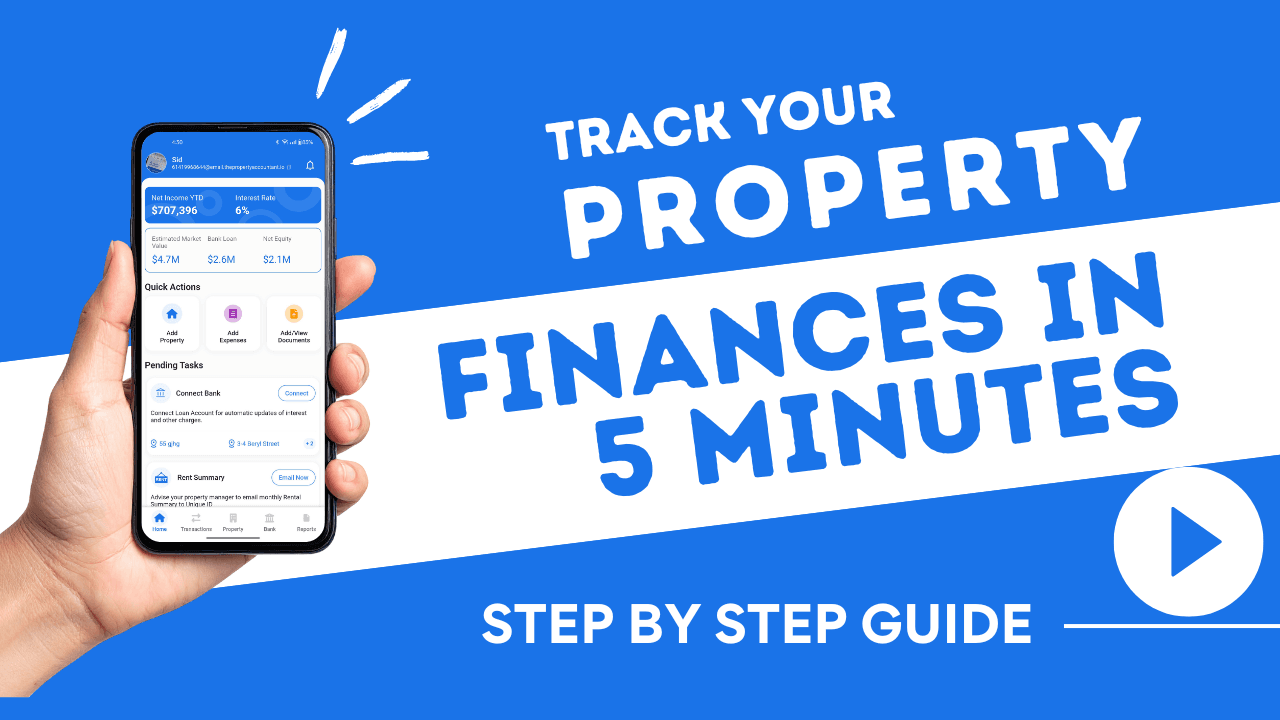
Watch the step-by-step guide and launch your automated workflow.
Think stamp duty is just another unavoidable expense when buying investment property? Think again. Every dollar you spend acquiring your property could be a dollar saved in Capital Gains Tax (CGT) when you sell.
You've just signed the contract on your dream investment property. The excitement is real, but so are the bills starting to pile up. Stamp duty, legal fees, building inspections, loan costs - it feels like everyone wants a piece of your budget. But here's what most property investors don't realise: these "annoying" costs are actually your secret weapon against future CGT liabilities.
At The Property Accountant, we see it all the time. Investors who meticulously research suburbs and negotiate purchase prices, only to throw away thousands in potential tax savings because they don't understand how acquisition costs work with CGT. Don't let this be you.
Your "cost base" is essentially everything you legitimately spent to acquire your property. When you eventually sell, the ATO allows you to subtract this cost base from your sale price to calculate your actual capital gain.
Sale Price - Cost Base - Selling Costs = Capital Gain
The larger your cost base, the smaller your capital gain, and the less CGT you'll pay.
Depending on your state and property value, stamp duty can easily run into tens of thousands of dollars. The good news? Every cent is added to your cost base.
If you're in the 37% tax bracket and eligible for the 50% CGT discount, this stamp duty could save you over $5,700 in CGT when you sell.
| City/State | Stamp Duty |
|---|---|
| Victoria | ~$40,070 |
| Queensland | ~$31,500 |
| South Australia | ~$36,330 |
These aren't sunk costs - they're future tax savings waiting to be claimed.
Your solicitor or conveyancer's fees might seem modest compared to stamp duty, but they're equally valuable for your cost base.
| Cost Type | Typical Range |
|---|---|
| Conveyancing fees | $800-$2,500 |
| Property searches | $200-$500 |
| Title transfer fees | $100-$300 |
| Settlement attendance | $200-$500 |
💡 Pro tip:
Always ask for a detailed invoice that separates property-related legal costs from other services.
That $600 building and pest inspection you got before purchase? It's not just about avoiding nasty surprises, it's part of your cost base too.
 Counts |  Doesn't Count |
|---|---|
| Pre-purchase building inspections | Inspections done after settlement |
| Pest and termite inspections | Routine maintenance inspections |
| Strata reports for units | - |
While ongoing loan costs (like interest) are annual deductions, the upfront costs of establishing your investment loan can be added to your cost base.
James bought a $650,000 property in Brisbane with a 90% loan. His loan costs were $10,535. That amount added to his cost base could save him over $1,950 in CGT at sale (37% tax bracket, 50% discount).
❌ Not eligible:
Loan interest, council rates, insurance premiums, property management setup fees, general advice.
The ATO requires you to keep purchase records for potentially 25+ years (depending on how long you hold the property).
The Property Accountant Tip:
Instead of juggling folders or random files, upload documents directly under each property in the platform. From settlement statements to loan fees, everything stays organised, ATO-compliant, and tax-ready.
David, a Sydney investor, bought a Melbourne property for $720,000. Initially, he only counted the purchase price.
| Item | David's Initial View | After The Property Accountant |
|---|---|---|
| Purchase Price | $720,000 | $720,000 |
| Additional Costs | $0 | $57,995 |
| Cost Base | $720,000 | $777,995 |
| CGT Saving | $0 | $10,700+ |
By maximising his cost base, David cut his future CGT bill by over $10,700.
Every extra dollar added to your cost base compounds into thousands saved in CGT down the track. For example, a $50,000 boost to your cost base could save over $9,250 in CGT (37% tax bracket, 50% discount).
Every property purchase is an opportunity to build a tax-efficient foundation. The Property Accountant makes sure you don't miss a cent-capturing, storing, and calculating every eligible cost automatically.
Instead of hoping your records survive 20 years, you get a complete CGT system:
That means less tax, more savings, and total confidence when it's time to sell.
Ready to maximise your cost base from day one?
Contact The Property Accountant before you buy and set yourself up for long-term CGT efficiency.